


The most complete and trusted Aviation Document Management System

Integrated and Configurable Safety, Risk and Assurance Platform

Data-driven, Actionable Insights to Transform Operations





News
Ryanair Renews Partnership with Vistair
Ryanair, Europe’s No.1 airline, renewed its partnership with Vistair, for a further 5 years.

News
Comply365 and Vistair Announce Merger
Comply365 and Vistair Announce Merger and Strategic Growth Investment from Insight Partners and Liberty Hall Capital Partners.

News
Etihad Airways Elevates Operational Excellence with Vistair's DocuNet.
Etihad Airways, the national airline of the United Arab Emirates, has selected Vistair’s DocuNet system

News
Vistair Selected by Air India for Airline Document Management
Vistair selected by Air India for Airline Document Management.
Articles
Key Themes from IATA WSOC 2023
Data Alignment, Operations and Safety Synergies, AI Adoption and a Digital First Aviation Landscape High on the Agenda.

Articles
Closing the Engineering Technology Gap
With more planes and more flying, the need to address the technology gap across aviation is greater than ever and digital transformation is central to this.

News
Fiji Airways Partners with Vistair
Fiji Airways has selected DocuNet to digitally transform their documentation management and publishing processes.

Insights
10 Questions to Ask Your Document Management System Supplier
Choosing the right Aviation Document Management partner is of great importance. The wrong choice could negatively impact both operational performance and compliance.
Case-Study
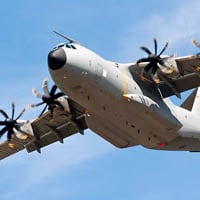
RAF Air Mobility Force
The RAF drive digitisation using DocuNet for their C-130J, A400M, and Voyager aircraft.